Product Description
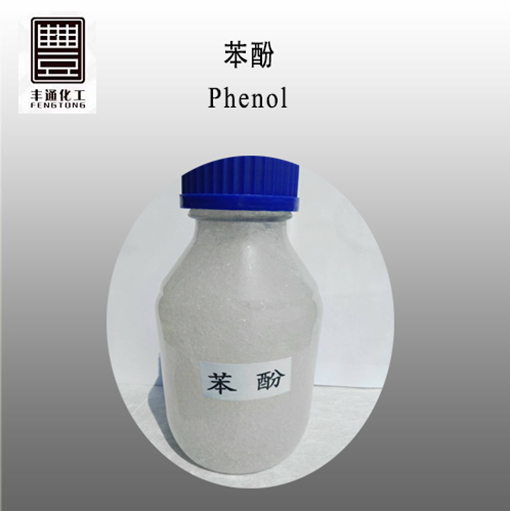
Phenol (also called carbolic acid) is an aromatic organic compound with the molecular formula C6H5OH. It is a white crystalline solid that is volatile. The molecule consists of a phenyl group (C6H5) bonded to a hydroxy group (OH). Mildly acidic, it requires careful handling because it can cause chemical burns.
Phenol was first extracted from coal tar, but today is produced on a large scale (about 7 billion kg/year) from petroleum-derived feedstocks. It is an important industrial commodity as a precursor to many materials and useful compounds.It is primarily used to synthesize plastics and related materials. Phenol and its chemical derivatives are essential for production of polycarbonates, epoxies, Bakelite, nylon, detergents, herbicides such as phenoxy herbicides, and numerous pharmaceutical drugs.
Medical Applications of PhenolPhenol is valued in medicine as a concentrated liquid used for localized anesthesia in ear procedures like myringotomy. Its antiseptic and hemostatic properties enhance safety during medical interventions. Furthermore, phenol is utilized in sore throat sprays as the active component, providing pain relief and reducing discomfort in oral treatments.
Industrial Uses and AdvantagesThanks to its chemical resistance and affordability, phenol is widely employed in the aviation industry within paint strippers. It helps remove stubborn coatings, including epoxy and polyurethane, making maintenance tasks more efficient. Whether used as a raw material or directly for cleaning, phenol's high purity and effectiveness support numerous small-scale industrial operations.
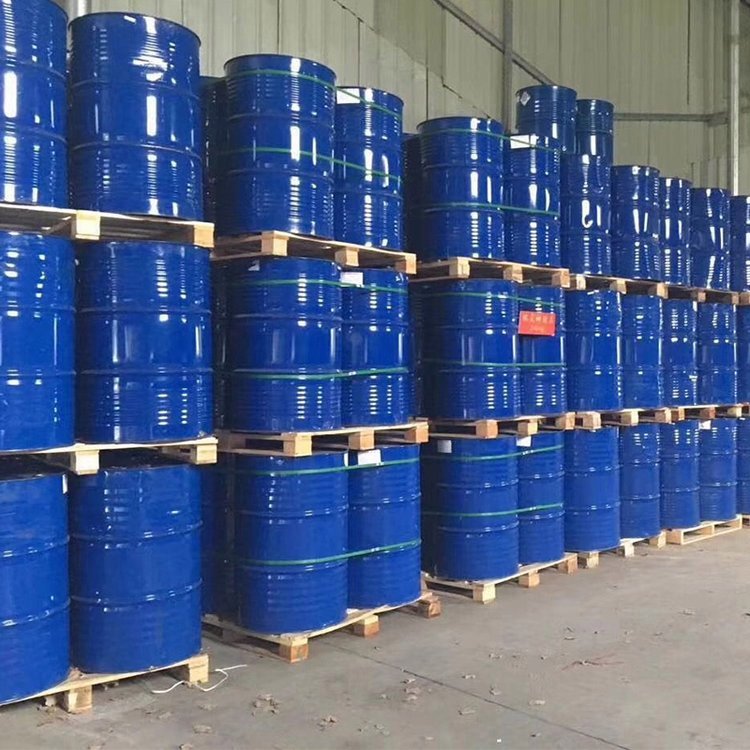
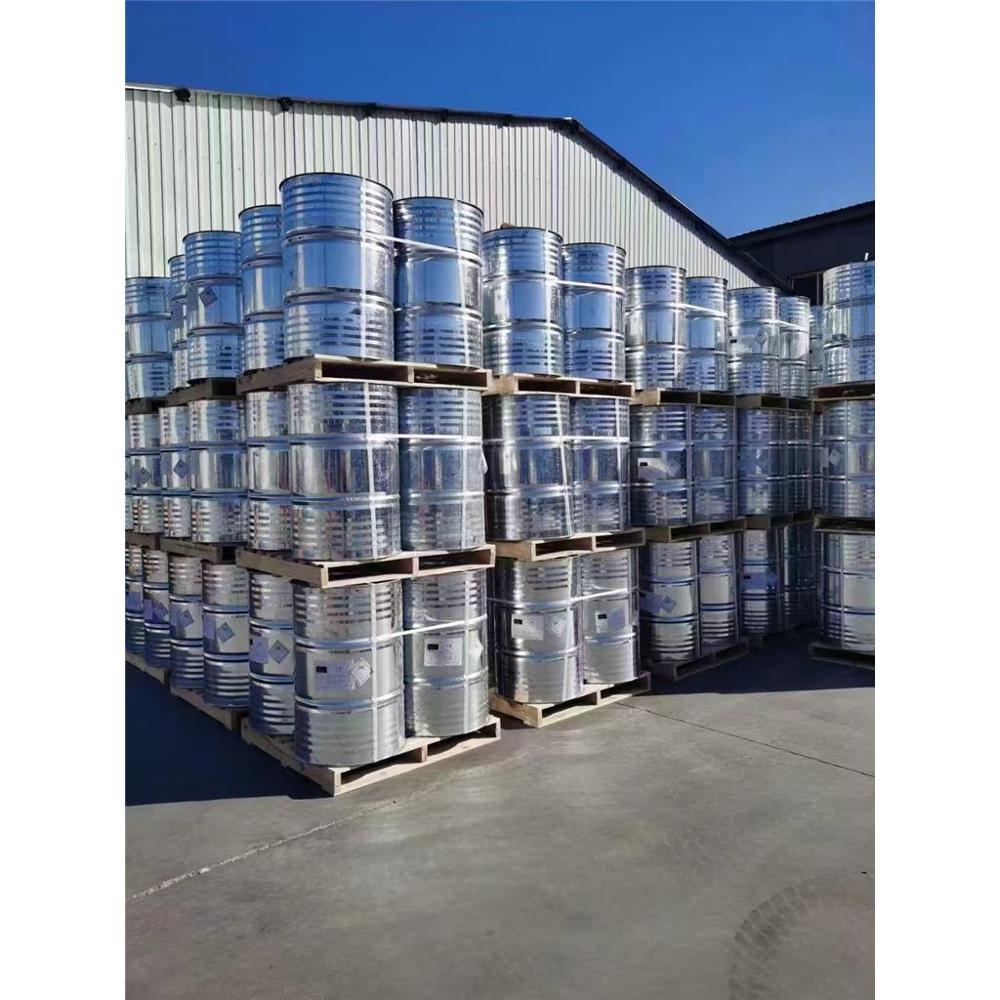
Storage and Handling GuidelinesPhenol should be stored in a freezer to maintain its integrity and prevent degradation. Its liquid form, high purity, and distinctive molecular characteristics make it suitable for various synthesis and manufacturing needs. Proper handling ensures safety for users and keeps phenol ready for both medical and industrial applications.
FAQ's of Phenol CAS No.:108-95-2:
Q: How is phenol used in medical treatments?
A: Phenol is applied topically as a local anesthetic during otology procedures, such as myringotomy and tympanotomy tube placement. It also serves as the active ingredient in sore throat sprays and certain oral analgesics, providing pain relief and antiseptic benefits.
Q: What are the industrial benefits of using phenol?
A: Phenol's affordability and effectiveness make it a popular choice in industrial paint strippers, particularly in aviation, where it assists in removing resilient coatings like epoxy and polyurethane. Its high purity ensures reliable performance across various industrial processes.
Q: When should phenol be stored in a freezer?
A: Phenol should always be stored in a freezer to maintain its chemical stability and prevent degradation. This is especially important for high-purity applications in medical and industrial contexts.
Q: Where is phenol utilized outside of medical and industrial sectors?
A: While phenol's primary applications are medical and industrial, its low cost and versatile properties attract various small-scale niche uses, including synthesis material intermediates in manufacturing and research laboratories.
Q: What is the process behind phenol's use as a local anesthetic?
A: During procedures like myringotomy, concentrated liquid phenol is applied topically to numb the area, eliminating the need for general anesthesia and providing hemostatic and antiseptic effects, ensuring safer and more efficient interventions.
Q: What are the key benefits of using phenol in sore throat treatments?
A: Phenol in sore throat sprays offers rapid pain relief, local anesthesia, and antiseptic action. It is an effective remedy found in common oral analgesic brands, improving comfort and reducing symptoms quickly.

 Mon-Sat 9.00 AM - 6.00 PM




 Send Inquiry
 Send Inquiry
 Call Me Free
