Product Description
PMA has the lowest viscosity of entire P-series glycol ethers and their acetates, and it provides superb viscosity reduction. The remaining OH group in the glycol ether molecule is capped with an acetate group, which reduces its polarity and reduces the solvent's viscosity. The acetate group also eliminates the reactive hydrogen from the OH group found in other glycol ethers, so PMA is an excellent aprotic solvent for urethanes and other proton-sensitive systems.
PMA is a relative fast-evaporating glycol ether acetate, and it sets a performance standard in high-solids, solvent-borne systems. It provides excellent active solvency for a wide range of resin types, including acrylics, epoxies, alkyds, polyesters, and many others.
Because PMA has low toxicity, strong solvency for both polar and non-polar materials, it becomes good substitute of E-series glycol ether acetates. It applies to dissolve various polymers in top grade coatings and inks. It is widely used in some top grade paints for car, TV, refrigerator and airplane. In coating industry, PMA is a indispensible auxiliary solvent to increase film strength. PMA is also a kind of raw material of glass cleaner.
PMA can also apply to the production of LCD and photoresist. It is also widely used as solvents for electronic material
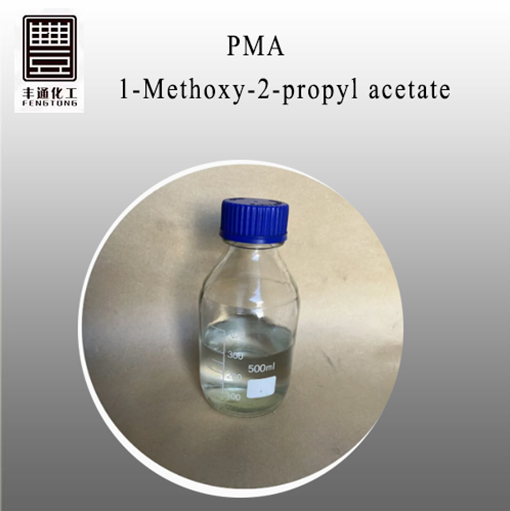
Overview and Key Properties1-Methoxy-2-propyl acetate (PMA) offers a broad application spectrum in industrial settings due to its moderate solubility (19.8 g/L at 25C), high purity (99.5%), and strong active solvency. Its liquid form, refractive rate (n20/D 1.402), and molecular weight (132.16 GSM) align with the requirements for high-performance coatings and solvent blends. The substance is stored at room temperature and does not solidify until -87C.
Industrial Use and Performance StandardsPMA sets a benchmark in the performance of high-solids, solvent-borne systems. It supports the efficient dissolution of diverse resin types crucial in paints, coatings, inks, and adhesives. Manufacturers, exporters, and suppliers worldwide rely on PMA for its versatility, effectiveness, and compatibility with major resins, ensuring safer and more productive industrial processes.
FAQ's of 1-Methoxy-2-propyl acetate CAS No.:108-65-6:
Q: How is 1-Methoxy-2-propyl acetate (PMA) commonly used in industrial applications?
A: PMA is predominantly used as a solvent in the formulation of high-solids coatings, paints, inks, and adhesives. Its ability to dissolve acrylics, epoxies, alkyds, and polyesters makes it essential for industries requiring high-performance resin compatibility.
Q: What benefits does PMA provide in solvent-borne systems?
A: PMA offers excellent active solvency, fast evaporation, and broad resin compatibility, resulting in improved application consistency, faster drying times, and superior surface finishes in industrial coatings and paints.
Q: When should PMA be selected over other glycol ether acetates?
A: PMA should be selected when a faster-evaporating solvent is needed and when high solvency for diverse resin types is required. It is ideal for high-solids systems where performance and efficiency are critical.
Q: Where should PMA be stored to maintain its quality?
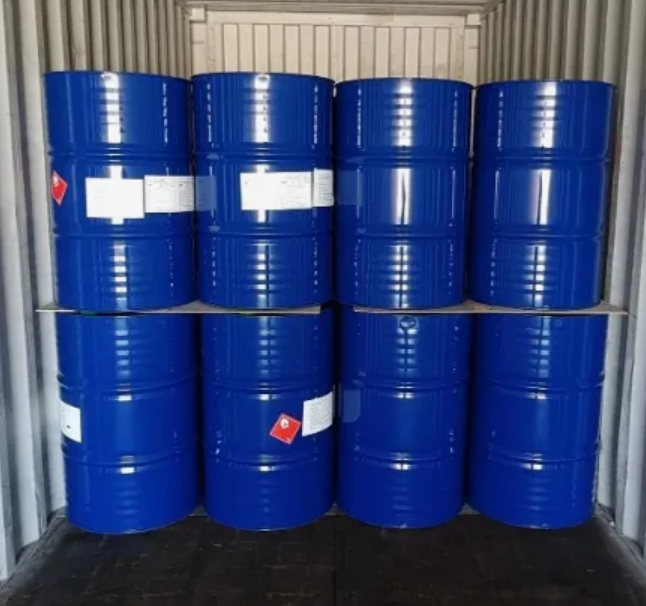
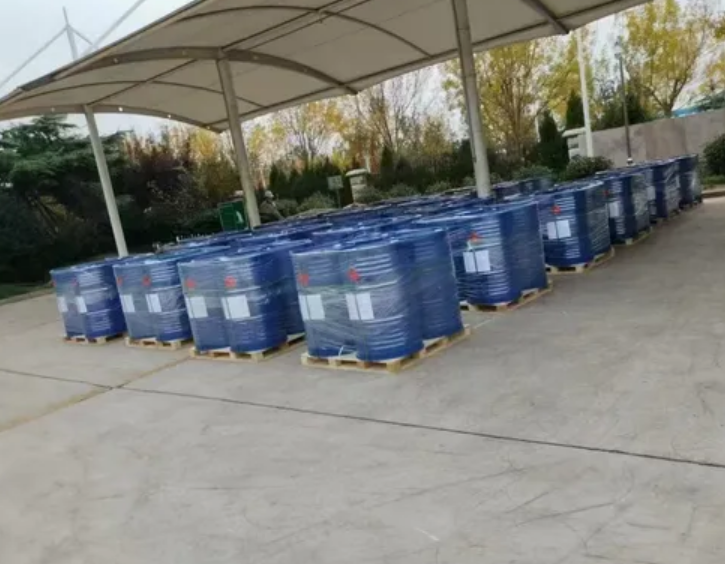
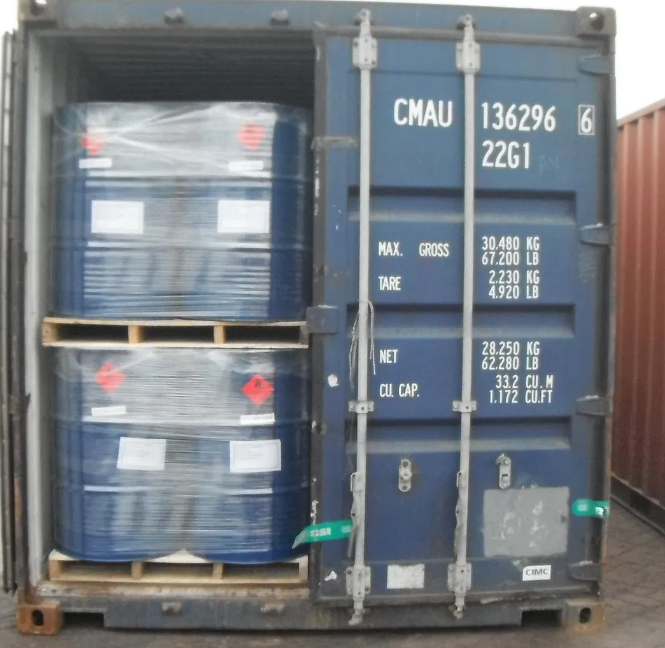
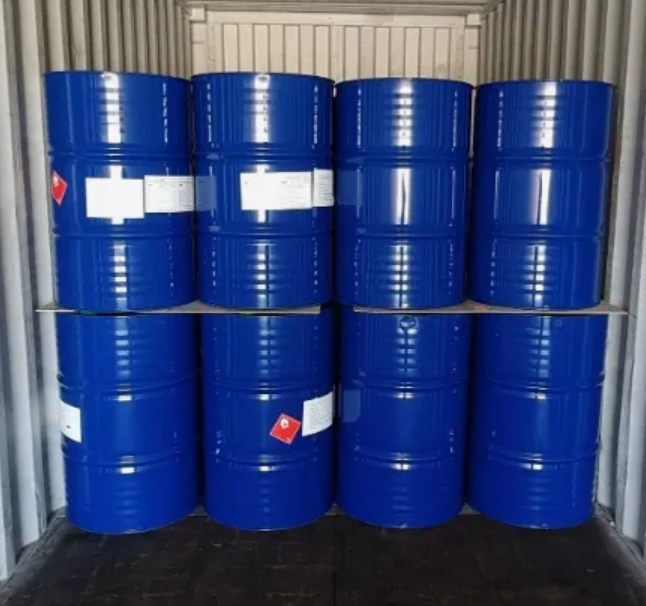
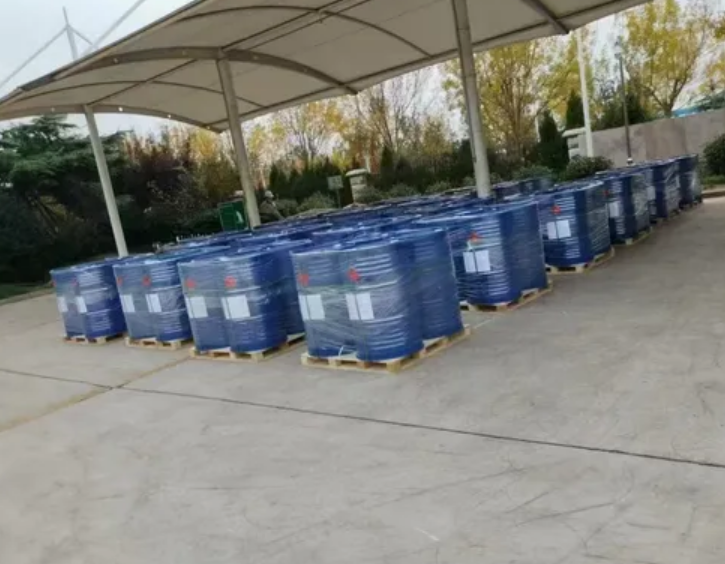
A: PMA should be stored at room temperature in tightly sealed containers to prevent contamination and maintain its high purity and stability over time.
Q: What is the process for incorporating PMA into manufacturing applications?
A: PMA is mixed with other components based on specific formulation requirements. Its universal compatibility with major resins allows manufacturers to select it for both blending and direct dissolution in production processes.
Q: How does the density and purity of PMA impact its application?
A: The density of 0.970 g/mL and purity of 99.5% ensure predictable behavior in formulation, contributing to consistent product quality and optimal solvent action in industrial processes.

 Mon-Sat 9.00 AM - 6.00 PM




 Send Inquiry
 Send Inquiry
